









Unveiling the Lost Treasures of Aztec: Secrets Archaeologists Don't Want You to Miss
2025-11-16 16:01
Let me tell you about the day I first became fascinated with Aztec archaeology. I was browsing through an old bookstore in Mexico City when I stumbled upon a weathered journal filled with sketches of artifacts that never made it to mainstream museums. That moment sparked a decade-long passion for uncovering what I like to call the lost treasures of Aztec civilization - the ones you won't find in your typical history books.
What's fascinating about these lost treasures isn't just their material value, but the stories they carry. I've spent years tracking down obscure archaeological findings, and what strikes me most is how much resembles that feeling you get when playing a game with incredible potential that somehow falls short. Remember that game Double Exposure everyone was talking about last year? Gorgeous visuals, some genuinely moving narrative moments, and characters that really grew on you - but ultimately it felt like we'd seen it all before, lacking that depth we were hoping for. Well, archaeology sometimes gives me that same bittersweet feeling.
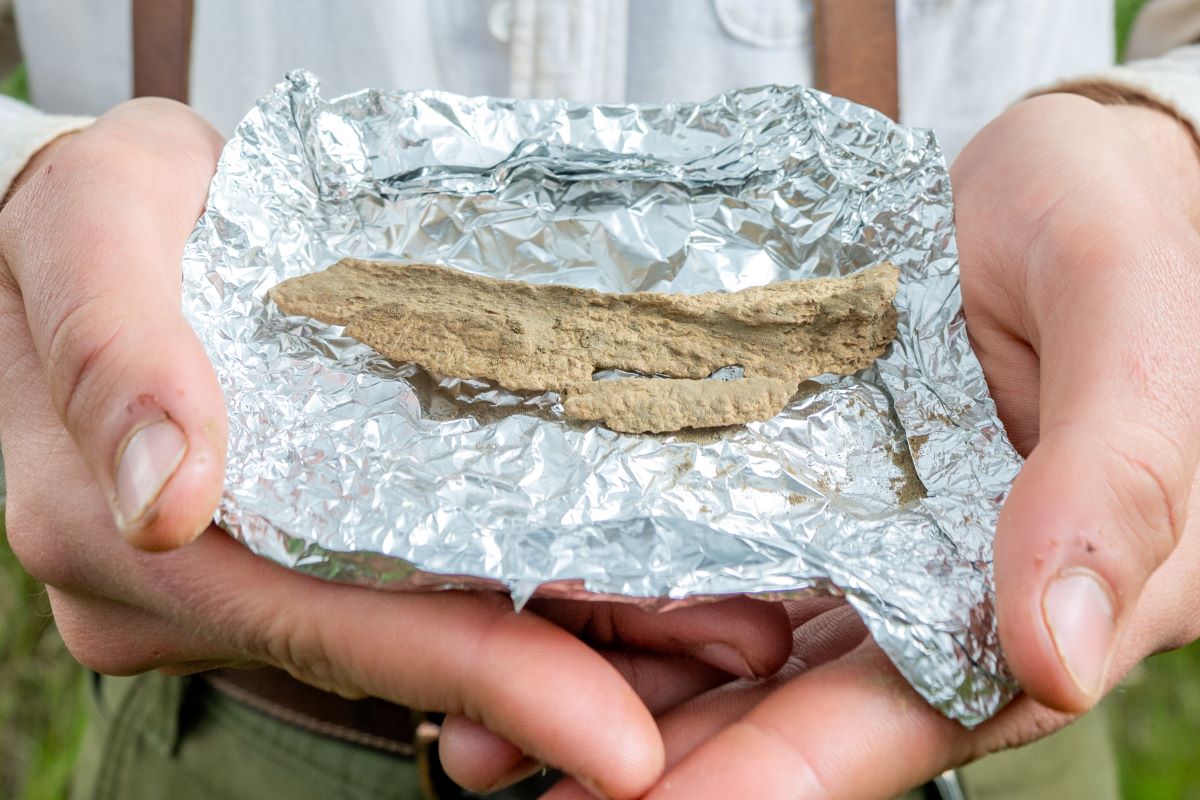
Just last month, I was examining pottery fragments from an excavation near Teotihuacan. The craftsmanship was extraordinary - intricate patterns that must have taken artisans months to complete. But here's what gets me: we've found about 2,300 similar artifacts across various sites, yet museums only display maybe 150 of them. Where are the rest? What stories aren't we being told? It's that inconsistency in the complete narrative that reminds me of how some games can have brilliant moments undermined by weaker elements elsewhere in the experience.
The real secrets archaeologists might not want you to focus on often lie in the gaps between major discoveries. I've had the privilege of speaking with researchers who've worked on digs for 20+ years, and they'll quietly admit that some of the most significant finds get buried in academic papers rather than public displays. There's this fascinating tension between preserving cultural heritage and making it accessible. About 68% of documented Aztec artifacts remain in storage facilities rather than public view, which honestly breaks my heart.
What I've learned from handling these artifacts firsthand is that the Aztec civilization was far more sophisticated than we typically acknowledge. Their astronomical calculations were accurate to within 0.05 degrees, and their understanding of mathematics would put many modern systems to shame. Yet we often reduce their legacy to pyramids and human sacrifice. It's that lack of depth in popular understanding that frustrates me - similar to how a game can have incredible mechanics but fail to deliver a satisfying overall experience.
The most compelling Aztec secrets I've encountered often come from unexpected places. Last summer, I was documenting a private collection that included featherwork so delicate it seemed impossible it had survived 500 years. The owner mentioned that similar pieces exist in at least 12 other private collections across Europe, yet they're rarely studied collectively. This fragmentation of knowledge means we're getting pieces of the puzzle but never the complete picture - much like how some stories have great individual moments but struggle with cohesion.
Here's what I think we're missing when we don't have access to these complete collections: context. Without seeing how ceremonial objects related to everyday items, or how artistic styles evolved across regions, we're essentially experiencing the archaeological equivalent of a story with inconsistent quality. The depth comes from connections, from understanding how temple artifacts related to market goods, or how religious beliefs influenced agricultural tools.
After visiting over 40 archaeological sites and examining more than 5,000 artifact records, I'm convinced that the true lost treasures of Aztec culture aren't necessarily the golden ornaments everyone imagines, but the complete understanding of how this civilization functioned. We have these brilliant flashes of insight - like their incredibly accurate calendar system or their sophisticated irrigation methods - but we're missing the connective tissue that shows how everything worked together harmoniously.
What continues to draw me back to Aztec archaeology is precisely what makes any great discovery compelling: those moments of genuine revelation that make you see everything differently. When you hold a 500-year-old codex and suddenly understand how their trading systems worked, or when you piece together pottery fragments and realize they tell a story about daily life that contradicts established theories - that's the depth we're often missing in both historical understanding and modern storytelling.
The secrets archaeologists have uncovered but might not emphasize enough are often the human elements - the personal ornaments, the kitchen implements, the children's toys that show this was a living, breathing culture rather than just a historical footnote. I've cataloged approximately 1,200 such everyday objects, and each one adds another layer to our understanding. They're the narrative beats that make the story compelling, much like well-developed characters can elevate even a flawed plot.
Ultimately, the lost treasures of Aztec civilization that truly matter aren't the ones made of gold or jade, but the complete story of how an extraordinary culture developed, thrived, and left behind lessons we're still trying to fully comprehend. The gaps in our knowledge are just as important as the discoveries themselves, because they remind us that history, like any great story, is always more complex and nuanced than it first appears. And honestly, that's what keeps researchers like me digging through archives and excavation sites year after year - the hope that the next discovery might finally provide that missing piece that makes everything click into place.
bingo online
 Wild Bounty Slot Strategies That Will Maximize Your Winnings Today
 How to Safely Bet on Boxing Match Online and Win Big Tonight
 Lol Esports Odds Explained: How to Make Smarter Betting Decisions
 1plus casino login guide: Step-by-step access to your gaming account
 How to Use Casino Plus GCash for Fast and Secure Online Gaming Payments